Alcohol Basics: Types of Drinks, ABV and Fermented vs Distilled
Wine, beer, whisky, gin, sake, liqueur — they can seem like completely different worlds. In fact, they are all built from two simple processes. Understand those, and the whole drinks aisle suddenly makes sense.
What is alcohol, exactly?
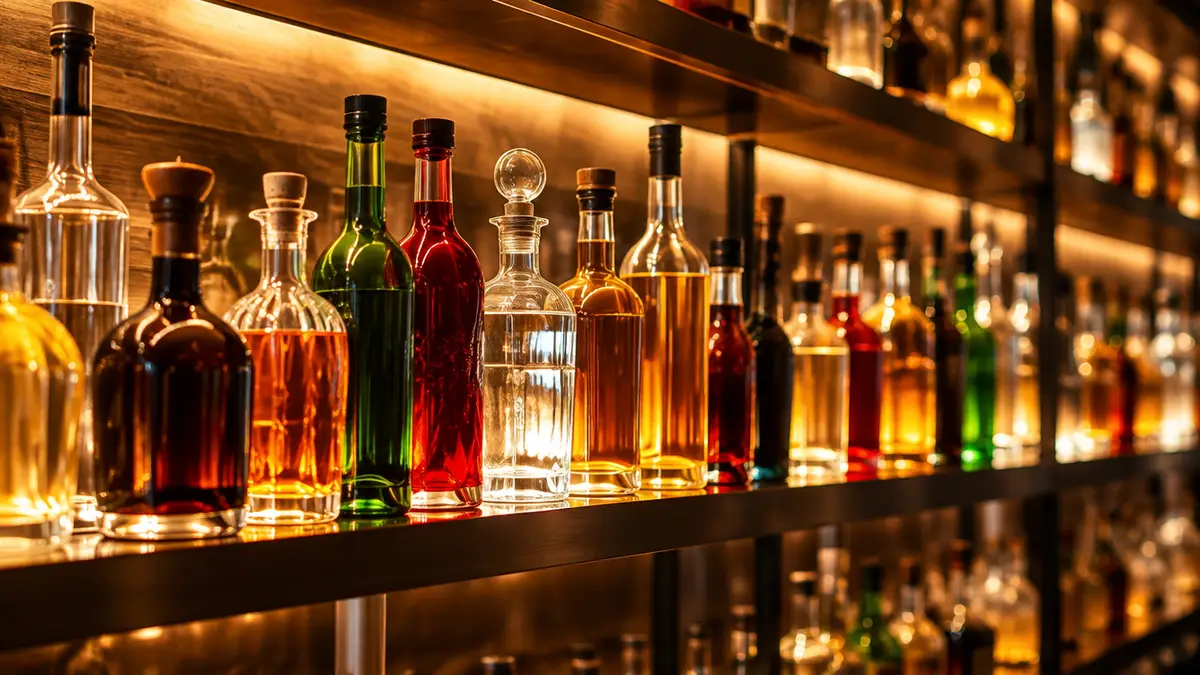
The alcohol in drinks is ethanol (ethyl alcohol), a colourless liquid produced when yeast consumes sugar. Every alcoholic drink in the world — from a light lager to a cask-strength whisky — contains ethanol plus water, plus the hundreds of flavour compounds that make each drink unique.
Ethanol is also a psychoactive drug and a toxin. That is why the same molecule that carries the aroma of a fine wine can also impair your judgement, damage your liver over time, and be dangerous in large amounts. Knowing how strong a drink is, and how much you are actually drinking, is part of enjoying it well. Our standard drink guide explains the numbers.
Step one: fermentation
Fermentation is where all alcohol begins. Yeast, a single-celled fungus, eats sugar and turns it into ethanol and carbon dioxide. The source of sugar decides what the drink becomes:
| Sugar source | Fermented drink | Typical ABV |
|---|---|---|
| Grapes | Wine | 11–15% |
| Malted barley and other grains | Beer | 4–7% (up to 12%+ for strong styles) |
| Apples / pears | Cider / perry | 4–8% |
| Rice (with koji mould) | Sake | 14–16% |
| Honey | Mead | 8–18% |
| Agave sap | Pulque | 4–7% |
Grapes and apples contain sugar ready to ferment. Grains and rice contain starch, which must first be converted to sugar — in beer by malting and mashing, in sake by a mould called koji.
Yeast can only survive up to a certain alcohol level, usually around 15–16%. That is why no naturally fermented drink is much stronger than a big red wine or a sake.
Step two: distillation
To make something stronger, you need distillation. Alcohol boils at a lower temperature (78 °C / 173 °F) than water (100 °C / 212 °F). Heat a fermented liquid in a still, and the vapour that rises first is richer in alcohol and aroma. Cool that vapour and you collect a much stronger liquid — a spirit.
| Distil this… | …and you get |
|---|---|
| Wine | Brandy (cognac, armagnac, pisco) |
| A beer-like wash of malted barley | Malt whisky |
| Fermented corn, rye or wheat mash | Bourbon, rye whiskey, grain whisky |
| Fermented sugar cane juice or molasses | Rum, cachaça, rhum agricole |
| Fermented cooked agave | Tequila and mezcal |
| Fermented grain, potatoes or grapes, distilled to high purity | Vodka |
| Neutral spirit re-distilled with juniper and botanicals | Gin |
| Fermented fruit (plums, apricots, grape pomace) | Fruit brandies such as rakia, slivovitz, chacha, grappa |
Two main types of still exist. Pot stills work in batches and keep more flavour — used for single malt Scotch, cognac and many rums. Column stills run continuously and can produce a lighter, purer spirit — used for vodka, grain whisky, most gin bases and light rums.
Home distillation is illegal without a licence in the USA and many other countries, and badly made spirits can contain dangerous levels of methanol, which can cause blindness or death. It is also a serious fire risk.
Step three (optional): ageing and flavouring
Many spirits are aged in wooden barrels, usually oak. Over years the wood adds colour and flavours of vanilla, caramel, spice and toast, while slow oxidation softens harsh edges. Whisky, brandy, dark rum and añejo tequila are all aged. Vodka, gin, white rum and blanco tequila are usually bottled unaged or rested only briefly.
Other drinks get their character from added flavour. Gin is flavoured with juniper and botanicals. Liqueurs are spirits sweetened and flavoured with fruit, herbs, nuts, cream or coffee. Fortified wines such as Port and sherry are wines with added grape spirit.
ABV and proof: how strong is it?
ABV (alcohol by volume) is the percentage of the drink that is pure alcohol. A 40% ABV whisky is 40% ethanol. It is printed on every label.
Proof is an older measure still used in the USA: US proof is simply double the ABV. So 80 proof = 40% ABV, and 100 proof = 50% ABV. (The old British proof system was different and is no longer used on labels.)
| Drink | Typical ABV | US proof |
|---|---|---|
| Light beer | 3.5–4.2% | — |
| Regular lager or ale | 4.5–6% | — |
| Cider | 4–8% | — |
| Wine | 11–15% | — |
| Sake | 14–16% | — |
| Fortified wine (Port, sherry) | 15–22% | — |
| Liqueurs | 15–40% | 30–80 |
| Vodka, gin, rum, whisky, tequila | 37.5–46% | 75–92 |
| Cask-strength whisky, overproof rum | 50–70%+ | 100–140+ |
The four big families of drinks
1. Wine
Fermented grape juice. Red, white, rosé, sparkling and fortified wines differ by grape variety, how long the juice stays in contact with the skins, and whether bubbles or spirit are added. See our complete guide to wine.
2. Beer (and cider)
Fermented grain, flavoured with hops. Lagers use bottom-fermenting yeast at cool temperatures; ales use top-fermenting yeast at warmer temperatures. That single difference shapes hundreds of styles. Read our beer styles guide and the cider guide.
3. Spirits
Distilled drinks of around 40% ABV: whisky, brandy and cognac, rum, tequila and mezcal, gin and vodka, plus regional spirits like rakia, arak and chacha.
4. Liqueurs and fortified drinks
Sweetened, flavoured spirits (liqueurs like amaretto, triple sec or coffee liqueur) and wines strengthened with spirit (Port, sherry, Madeira, vermouth). They are the secret ingredients of many cocktails.
Why the same amount of alcohol can look so different
Because strength varies so much, the serving size changes too. A 12 oz (355 ml) beer at 5%, a 5 oz (148 ml) glass of wine at 12% and a 1.5 oz (44 ml) shot of spirits at 40% all contain roughly the same amount of pure alcohol — about 14 grams, which is one US standard drink. A large glass of strong wine or a generous cocktail can easily contain two or three.
Fermentation makes alcohol; distillation concentrates it; barrels and botanicals add character. Always check the ABV — it tells you how much to pour and how slowly to drink.
Frequently asked questions
Is distilled alcohol worse for you than wine or beer?
The alcohol itself (ethanol) is the same molecule in every drink. What matters most for your health is the total amount of alcohol you consume and how quickly. Spirits are simply more concentrated, which makes it easier to drink a lot quickly.
What is the difference between a liqueur and a liquor?
"Liquor" is a general American word for distilled spirits such as vodka or whisky. A "liqueur" is a spirit that has been sweetened and flavoured, like amaretto or coffee liqueur, and is usually lower in alcohol.
Does ageing make a drink stronger?
No. Ageing in a barrel usually lowers alcohol slightly as some evaporates (the "angels' share"). Spirits are also usually diluted with water to bottling strength after ageing.