Vodka Guide: How It's Made, Styles and How to Drink It
Vodka is designed to be clean and neutral — but that doesn't mean all vodkas taste the same. The raw material, distillation and water all leave subtle fingerprints.
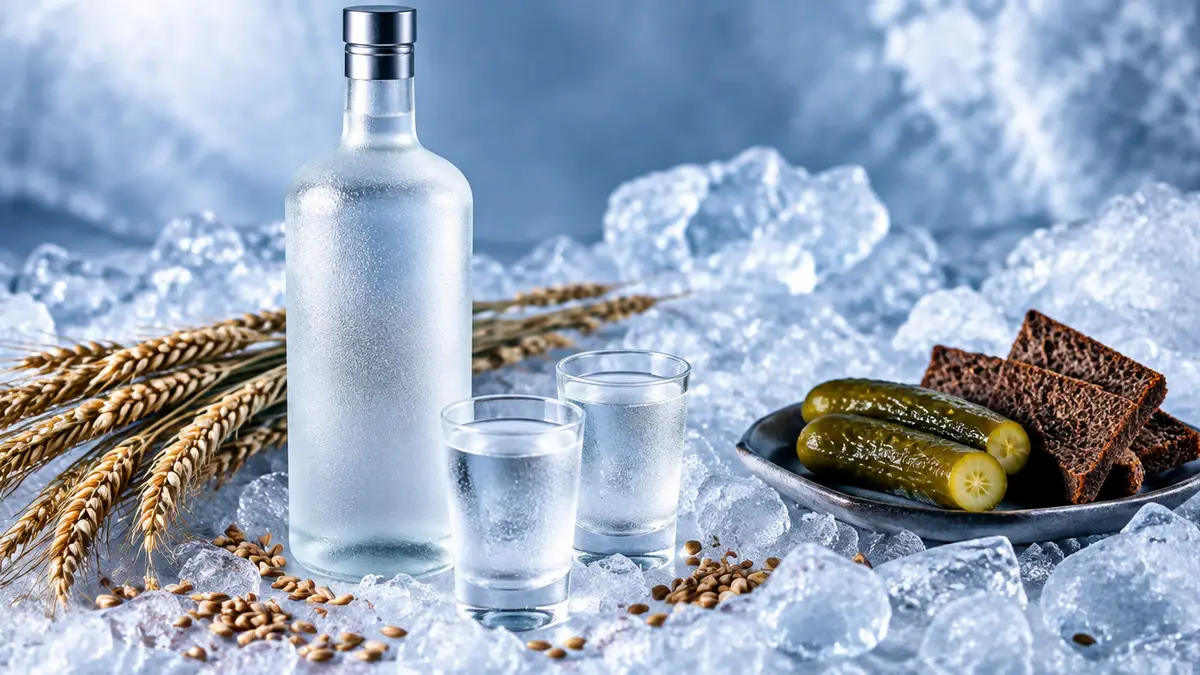
- Made from
- Grain (wheat, rye), potatoes, corn, grapes and more
- Typical ABV
- 37.5–40% (EU minimum 37.5%)
- Aged?
- No
- Standard pour
- 1.5 oz / 44 ml
- Serve
- Ice-cold neat with food, or in mixed drinks
A short history
Poland and Russia both claim to have invented vodka, with Polish records of gorzałka from the early 15th century and Russian production from around the same era. The name comes from the Slavic word for water, voda, meaning "little water". For centuries vodka was drunk mostly in Eastern Europe and Scandinavia. After the Second World War, American marketing and cocktails like the Moscow Mule turned vodka into the best-selling spirit category in the USA.
How vodka is made
- Fermentation: a starch or sugar source is fermented into a wash.
- Distillation: usually in column stills to very high strength (around 95–96% ABV), removing most flavour compounds.
- Filtration: often through charcoal, which removes remaining impurities and softens the spirit.
- Dilution: with purified water to bottling strength. The water source matters to the final texture.
Does the raw material matter?
| Base | Typical character |
|---|---|
| Wheat | Soft, smooth, subtle aniseed or bread |
| Rye | Spicier, fuller, peppery — traditional in Poland |
| Potato | Creamy, slightly earthy, oily texture |
| Corn | Slightly sweet, round — common in American vodkas and naturally gluten-free |
| Grapes | Fruity, silky |
Distilling removes gluten proteins, so vodka made from wheat or rye is generally considered safe for people with coeliac disease — but anyone with a medical concern should check with their doctor, and flavoured vodkas may contain added ingredients.
Regional traditions
- Poland: protected "Polish Vodka" must be made in Poland from Polish rye, wheat, barley, oats, triticale or potatoes. Also famous for flavoured styles like żubrówka (bison grass).
- Russia and Ukraine: traditionally drunk ice-cold with zakuski — pickles, herring, rye bread, cured meats.
- Scandinavia: clean wheat vodkas and the related akvavit, flavoured with caraway or dill.
- USA and Western Europe: very neutral styles designed for mixing.
Flavoured vodka
Citrus, vanilla, pepper, berry and many other flavours are available. Some use natural infusions; many use flavourings and sugar. Traditional Eastern European nastoyka (infusions of fruit, herbs or honey) are a long-standing home tradition.
How to drink vodka
- Neat, very cold: store in the freezer and serve in small chilled glasses alongside food — never on an empty stomach.
- Sip, don't down: quality vodka has a texture and subtle flavour worth noticing.
- In cocktails: the Moscow Mule, Bloody Mary, Cosmopolitan, Espresso Martini and Vodka Martini.
Because vodka has little taste, it is easy to drink quickly in sweet mixed drinks without noticing how much alcohol you have had. Measure it and count your drinks.
What to try first
Spicy ginger and lime showcase vodka at its best.
Taste how different "neutral" can be.
A modern classic for coffee lovers.
A famous Polish pairing with notes of vanilla and hay.
Taste slowly, alternate with water and eat something first. One standard drink of spirits is just 1.5 oz (44 ml) at 40% ABV. Never drink and drive. What counts as one drink?
Frequently asked questions
Is vodka made from potatoes?
Some is, but most vodka today is made from grain such as wheat or rye. Vodka can legally be made from almost any agricultural raw material, including corn, grapes and sugar beet.
Does vodka freeze?
Not in a household freezer. At 40% ABV vodka freezes around -27 °C (-17 °F), colder than most home freezers. It becomes thick and syrupy, which some people enjoy.
Is expensive vodka worth it?
The differences are subtle, especially in mixed drinks. Quality vodkas can be smoother neat, but marketing accounts for much of the price in the premium category.