
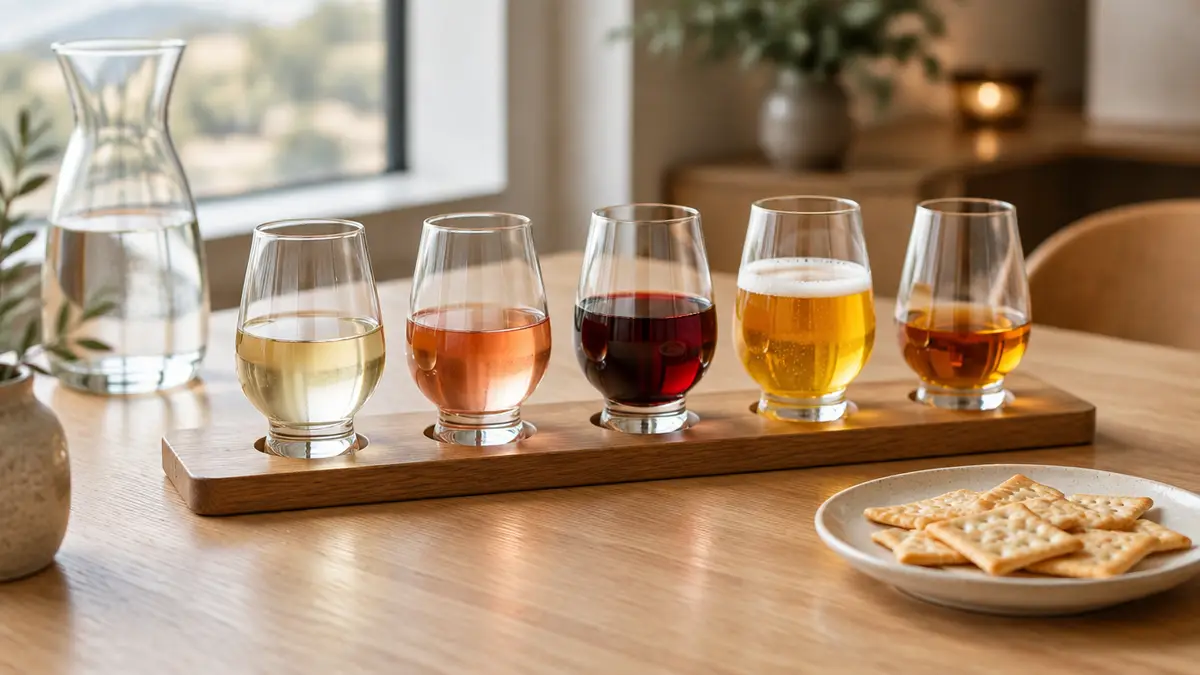
Alcohol for Beginners
Never known the difference between a lager and an ale, or bourbon and Scotch? Start here. These guides explain the world of drinks in plain language, without snobbery.
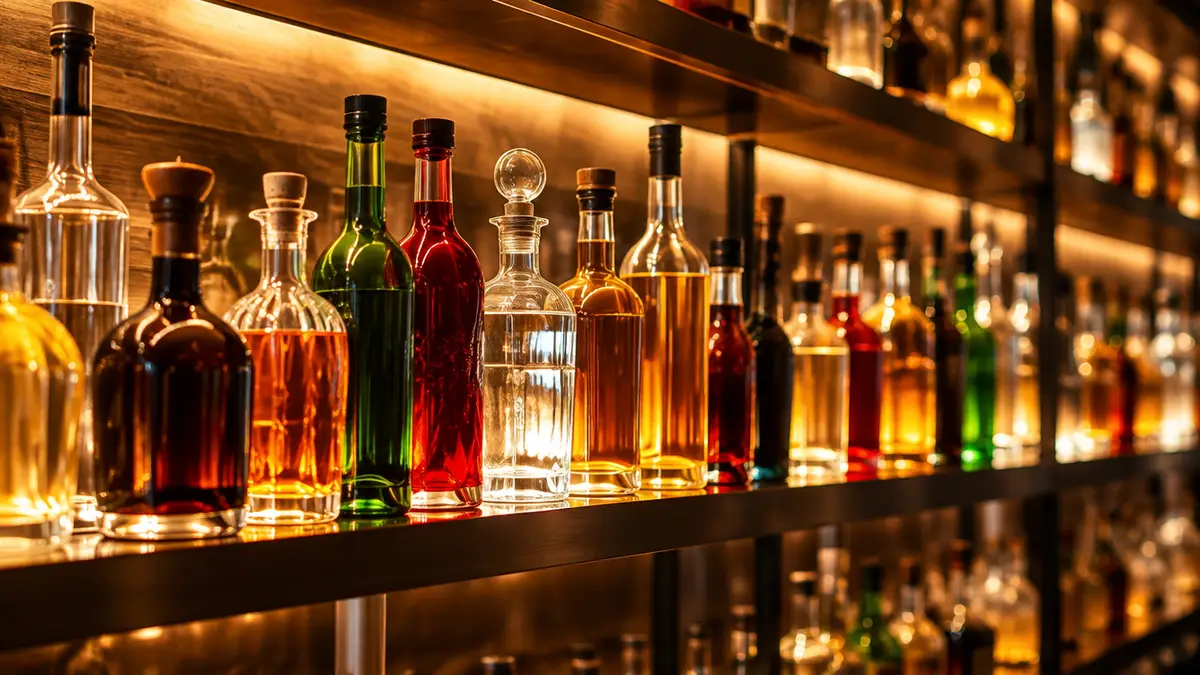
The ABCs of alcohol
A plain-English introduction to alcoholic drinks: what alcohol is, how fermentation and distillation work, what ABV and proof mean, and how wine, beer, spirits and liqueurs differ.
Read guide →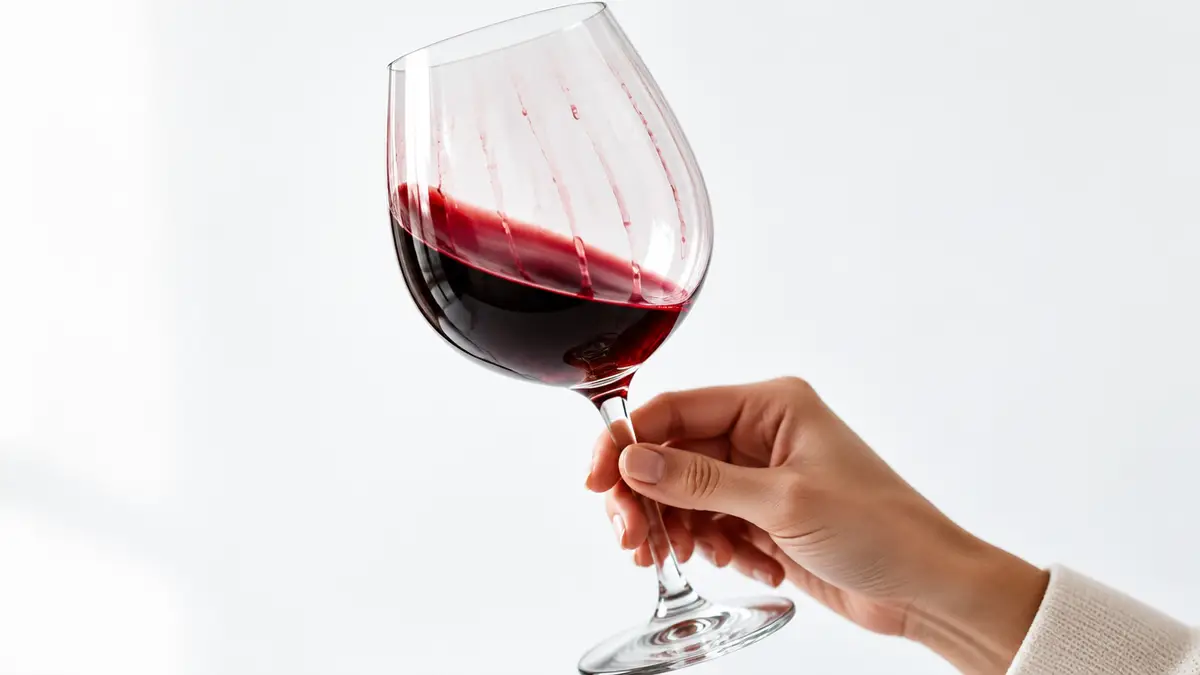
How to taste
Learn the four steps of tasting any drink — look, smell, taste and finish — plus how to describe aromas and flavours, avoid common mistakes and taste spirits without burning your nose.
Read guide →What to try first
Not sure where to start? Our beginner-friendly picks for every category — wine, beer, whisky, rum, gin, tequila, brandy, liqueurs, cider and sake — and how to explore from there.
Read guide →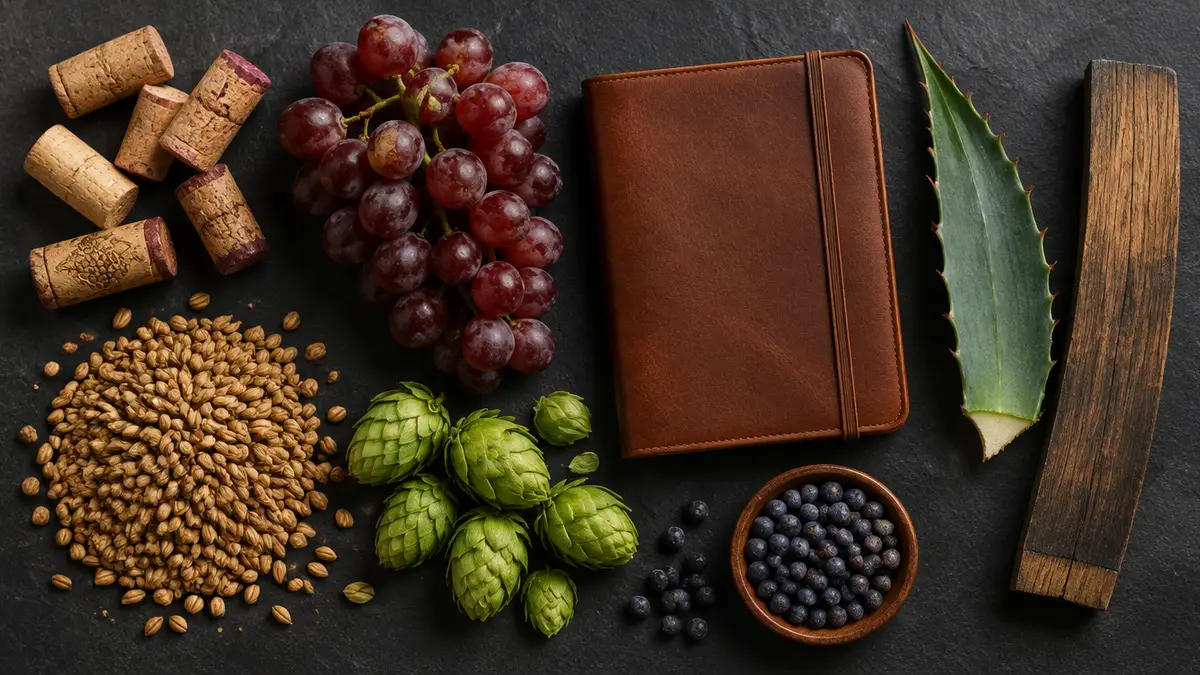
Glossary of terms
An A–Z glossary of drinks terms: tannin, terroir, single malt, brut, blend, cask strength, IBU, dry, reposado, vintage and more — explained in plain English.
Read guide →
How to read a label
Learn what every part of a drinks label means: wine regions and classifications, whisky age statements and cask types, cognac VS/VSOP/XO grades, and beer style, ABV and IBU.
Read guide →
Common mistakes
Avoid the most common mistakes beginners make with drinks: wrong serving temperature, wrong glass, overfilled glasses, bad ice, mixing drinks, judging by price and drinking too fast.
Read guide →How to use this section
If you are starting from zero, read the guides in order: begin with the ABCs of alcohol, learn how to taste, then pick a few easy first drinks. Keep the glossary open in another tab for any word you don't know.
Everything on Global Spiritory is written for adults of legal drinking age. Tasting is about flavour and curiosity, not quantity — read our responsible drinking guides too.
Frequently asked questions
What is the easiest alcoholic drink for a beginner?
Lighter, fruit-forward drinks are easiest: a fruity rosé or off-dry Riesling, a wheat beer or pale lager, a gin and tonic, or an Aperol Spritz. They have familiar flavours and lower alcohol than neat spirits.
What does ABV mean?
ABV stands for alcohol by volume — the percentage of the liquid that is pure alcohol. Beer is usually 4–6%, wine 11–15%, and spirits like vodka or whisky around 40%.
Do I need expensive glasses to taste properly?
No. One tulip-shaped all-purpose wine glass works for wine, spirits and even beer tasting. See our glassware guide when you want to go further.