
Responsible Drinking
This is the most important section on Global Spiritory. Enjoying drinks means knowing how alcohol affects you, when not to drink at all, and what to do when someone needs help.

Standard drinks & your body
What one standard drink or alcohol unit looks like for beer, wine and spirits, a free standard drink calculator, drinking guidelines, blood alcohol levels and how alcohol affects your body.
Read guide →Driving & medications
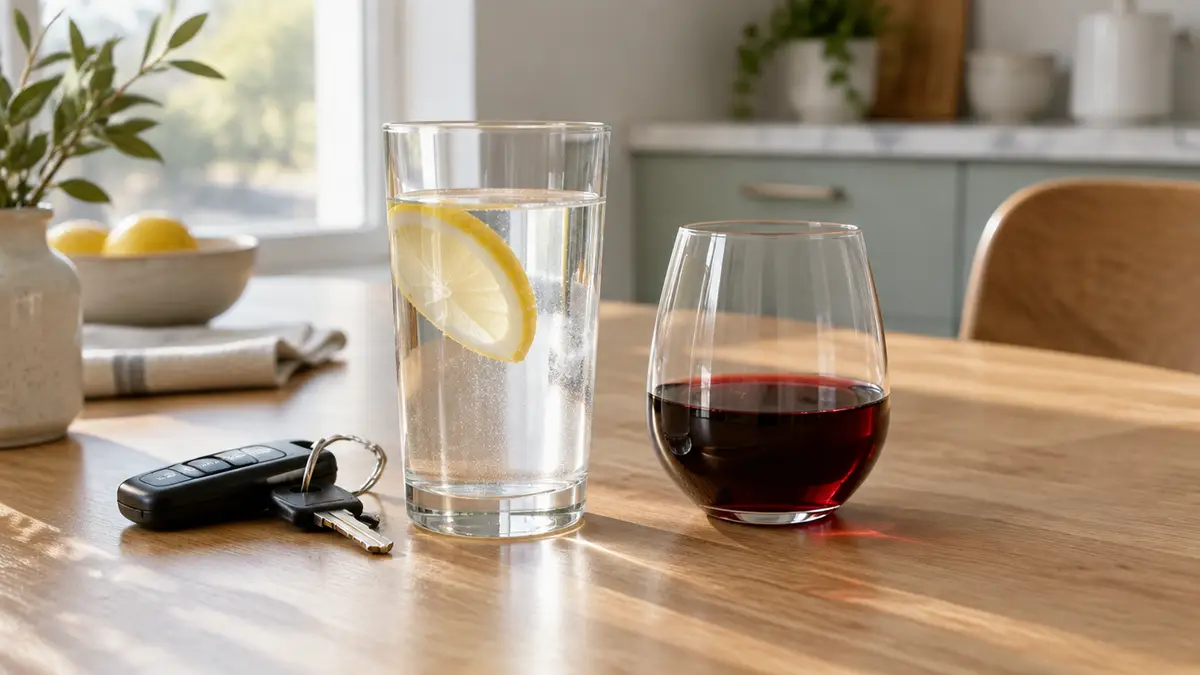
Why alcohol and driving never mix, legal BAC limits in the USA, UK and Europe, how impairment begins below the limit, and which common medications interact dangerously with alcohol.
Read guide →Alcohol poisoning
How to recognise alcohol poisoning, the critical warning signs, exactly what to do and what not to do, the recovery position, and when to call 911 or emergency services.
Read guide →
Where to get help
Signs that drinking may be becoming a problem, a quick self-check, free and confidential helplines in the USA, UK, Canada, Australia and Ireland, treatment options, and support for families.
Read guide →Our position
We write about drinks because they are part of food, travel and culture around the world. But alcohol is a drug with real risks, and no amount of drinking is completely risk-free. If you don't drink, there is no health reason to start. If you do, less is better — and some people should not drink at all: anyone under the legal drinking age, pregnant or trying to conceive, driving or operating machinery, taking medicines that interact with alcohol, or recovering from alcohol use disorder.
These pages summarise guidance from public health bodies such as the U.S. National Institute on Alcohol Abuse and Alcoholism (NIAAA), the CDC and the UK NHS. They are general information, not medical advice.
Frequently asked questions
How much alcohol is safe to drink?
There is no completely safe level. Long-standing U.S. federal guidance has advised adults who choose to drink to limit intake to 2 drinks or fewer in a day for men and 1 or fewer for women. The UK advises no more than 14 units a week, spread over three or more days.
How long does it take for alcohol to leave your body?
On average the liver processes roughly one standard drink per hour, but this varies widely. Coffee, cold showers or sleep do not speed it up — only time does.
Who can I call if I am worried about my drinking?
In the USA, the SAMHSA National Helpline is free, confidential and open 24/7 at 1-800-662-4357. In the UK, call Drinkline on 0300 123 1110. In an emergency, call 911 (US), 999 (UK) or 112 (EU).