
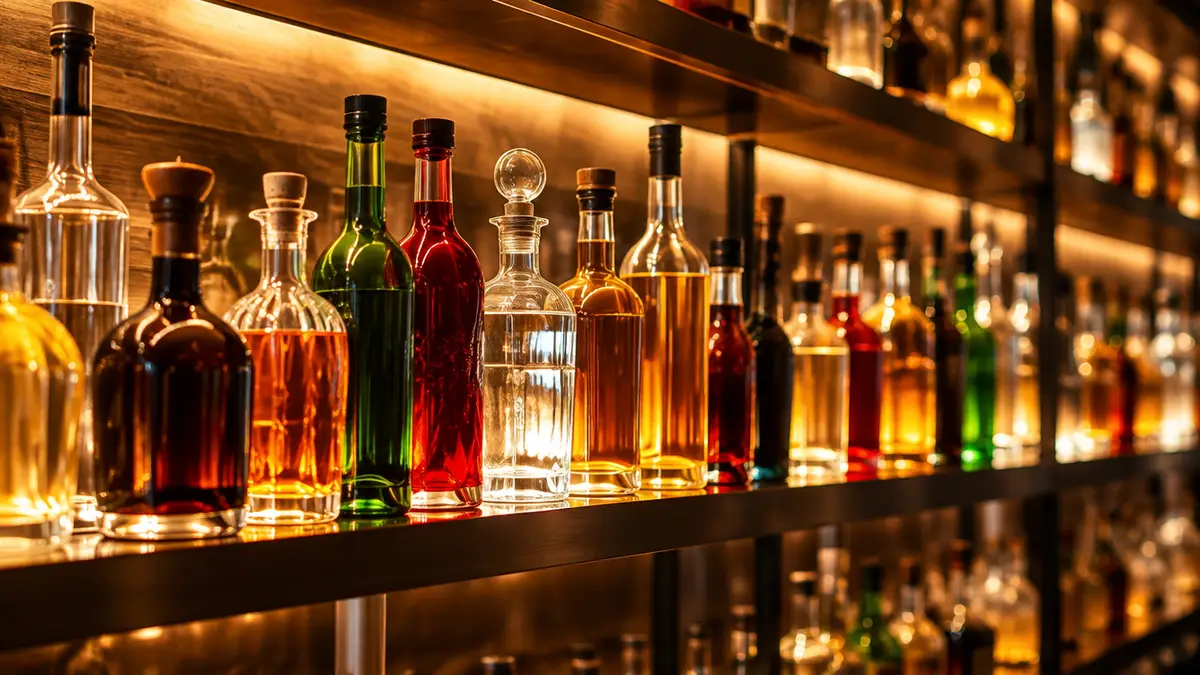
Types of Alcoholic Drinks
Every drink has a story: where it comes from, what it is made of and how it should be enjoyed. Each guide follows the same pattern — history, production, main styles, how to drink it and what a beginner should try first.
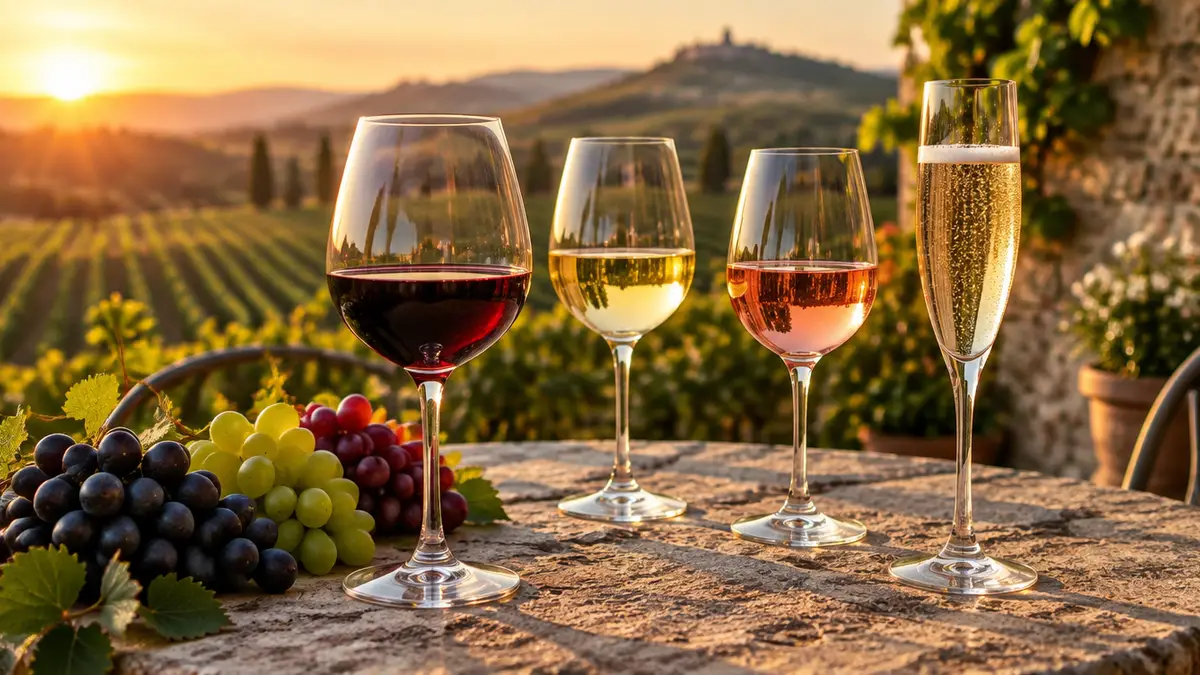
Wine
Everything a beginner needs to know about wine: how it is made, red, white, rosé, sparkling and fortified styles, the main grape varieties, famous regions, how to serve it and what to try first.
Read guide →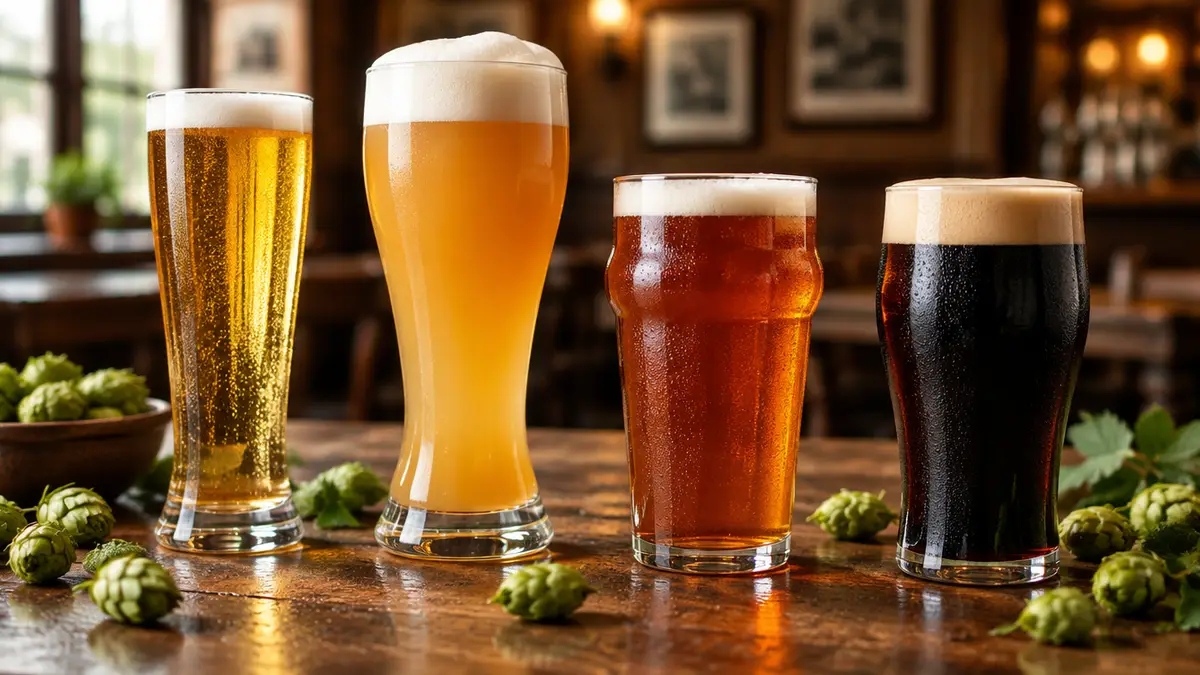
Beer
A beginner's guide to beer: how beer is brewed, the difference between lager and ale, the major styles from pilsner to stout and IPA, craft beer, glassware and what to try first.
Read guide →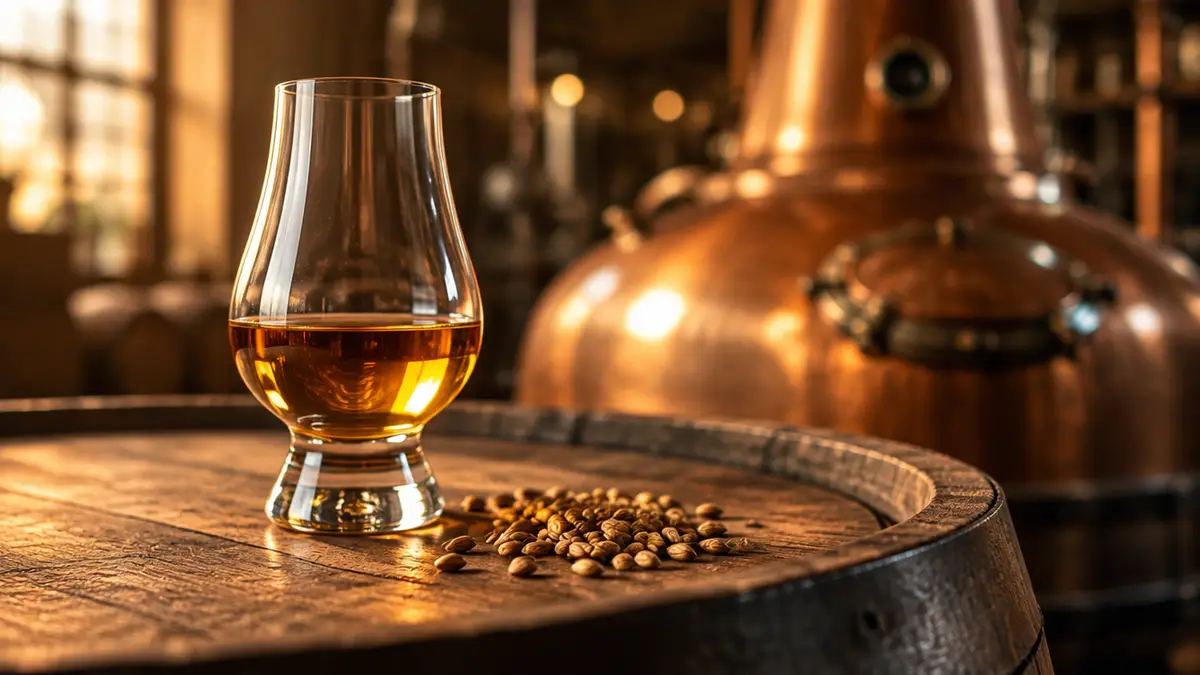
Whisky & whiskey
Understand whisky in one read: how it is made, Scotch regions and single malt vs blended, Irish whiskey, bourbon and rye, Japanese whisky, how to drink it and the best whiskies for beginners.
Read guide →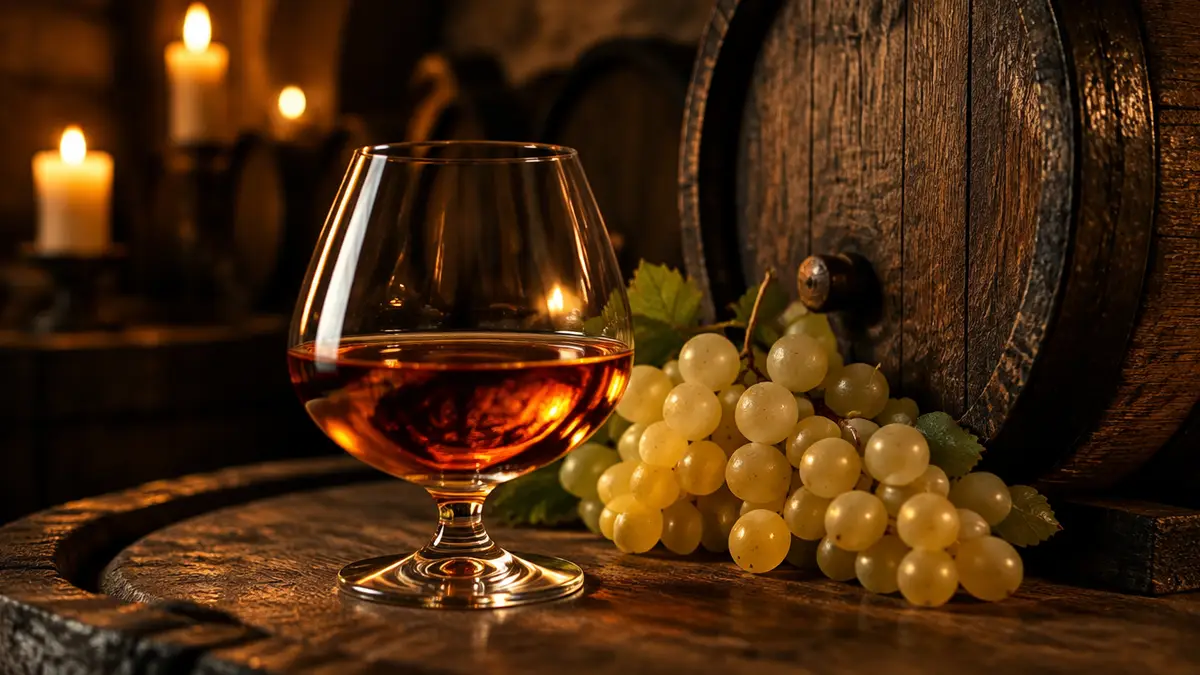
Cognac & brandy
What brandy is, how cognac and armagnac are made, what VS, VSOP and XO mean, other brandies such as Spanish brandy, pisco, calvados and grappa, and how to drink them.
Read guide →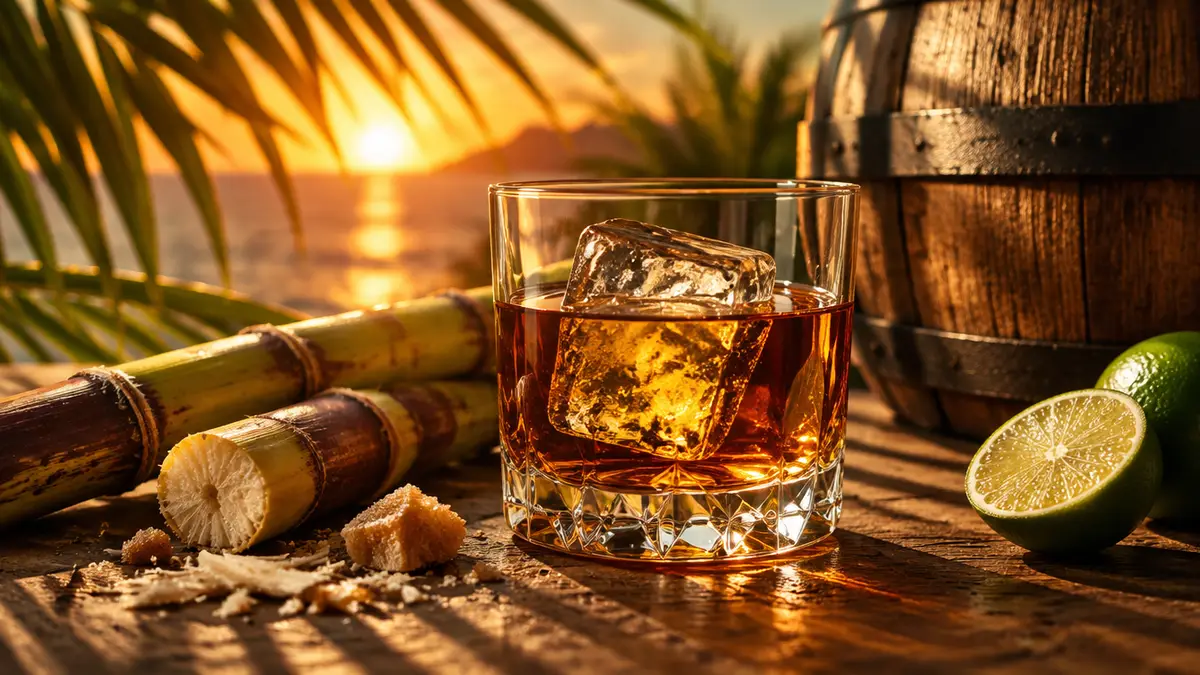
Rum
A beginner's guide to rum: its Caribbean history, how rum is made from sugar cane or molasses, Spanish, English and French styles, white vs dark vs spiced rum, how to drink it and what to try.
Read guide →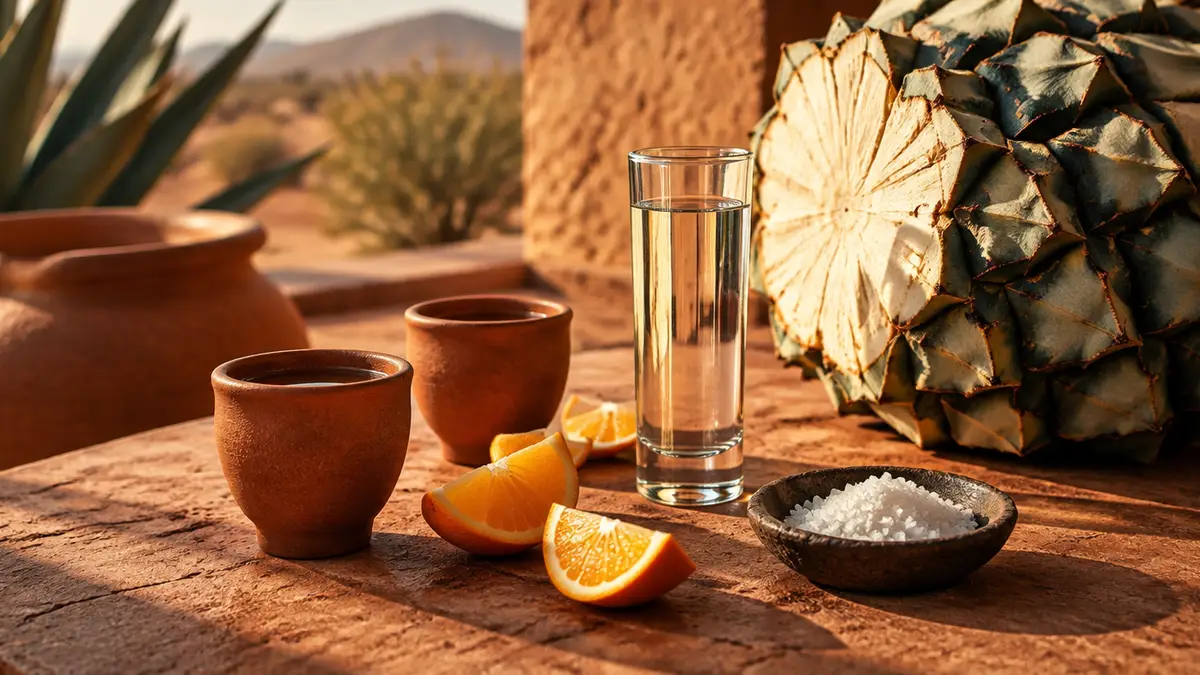
Tequila & mezcal
How tequila and mezcal are made from agave, the difference between them, blanco, reposado and añejo, why 100% agave matters, how to drink them properly and what to try first.
Read guide →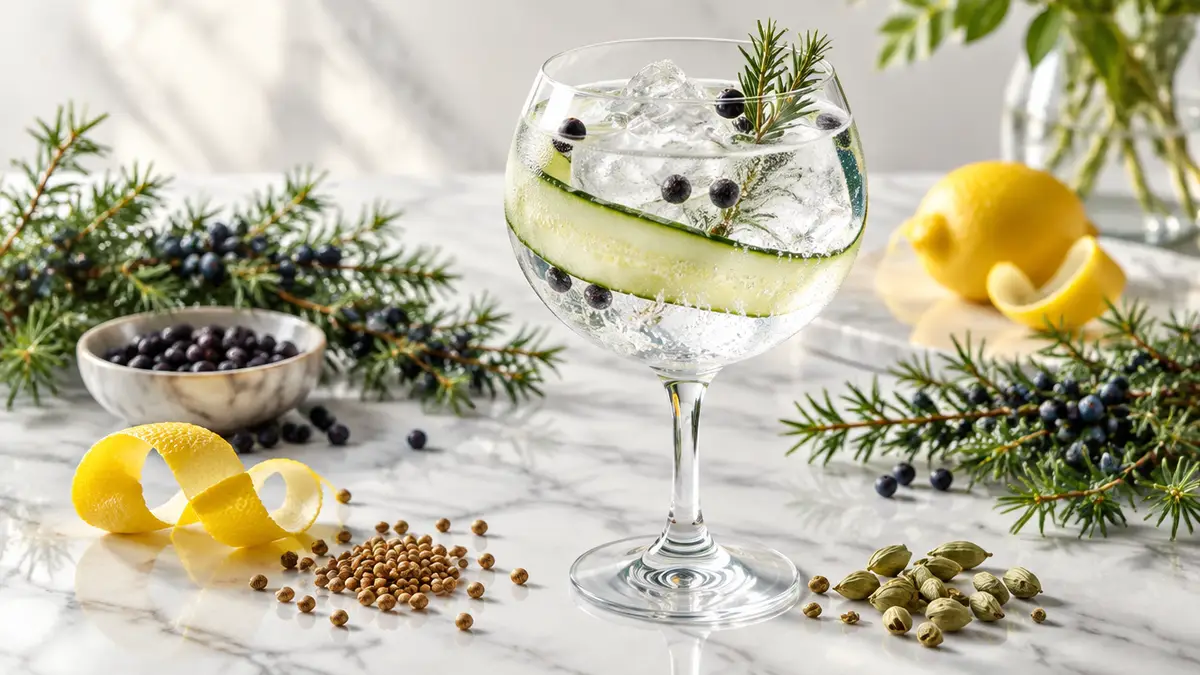
Gin
What gin is, how juniper and botanicals flavour it, the difference between London Dry, Plymouth, Old Tom, Navy Strength and contemporary gins, how to make a perfect G&T and which gin to try first.
Read guide →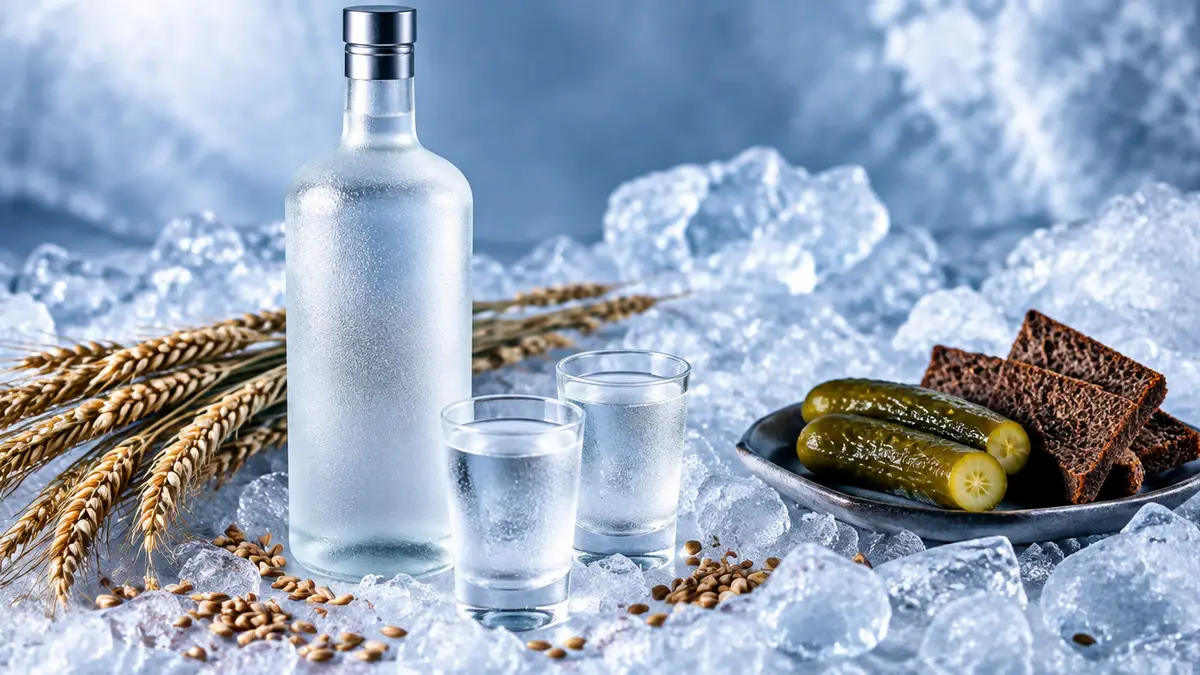
Vodka
What vodka is and how it is made from grain, potatoes or grapes, how filtration works, differences between Polish, Russian, Scandinavian and Western styles, flavoured vodka and how to serve it.
Read guide →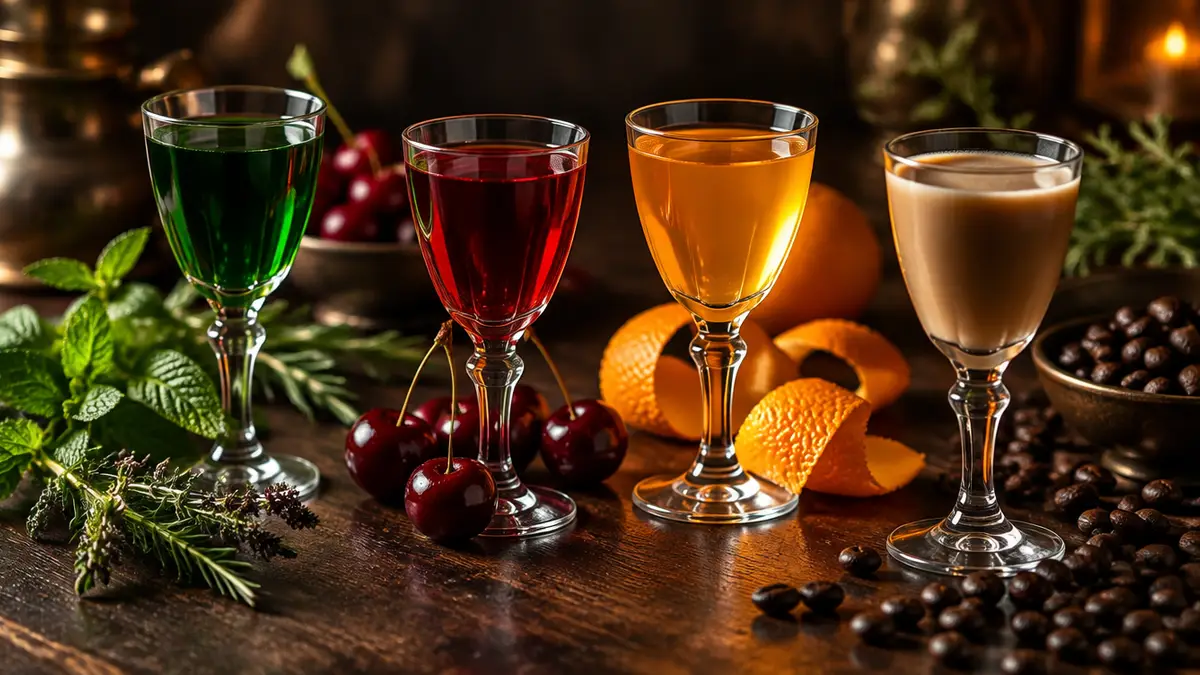
Liqueurs & infusions
What liqueurs are, how they differ from spirits, the main families — orange, fruit, herbal and bitter, nut, coffee and cream liqueurs — plus infusions, how to use them and how to store them.
Read guide →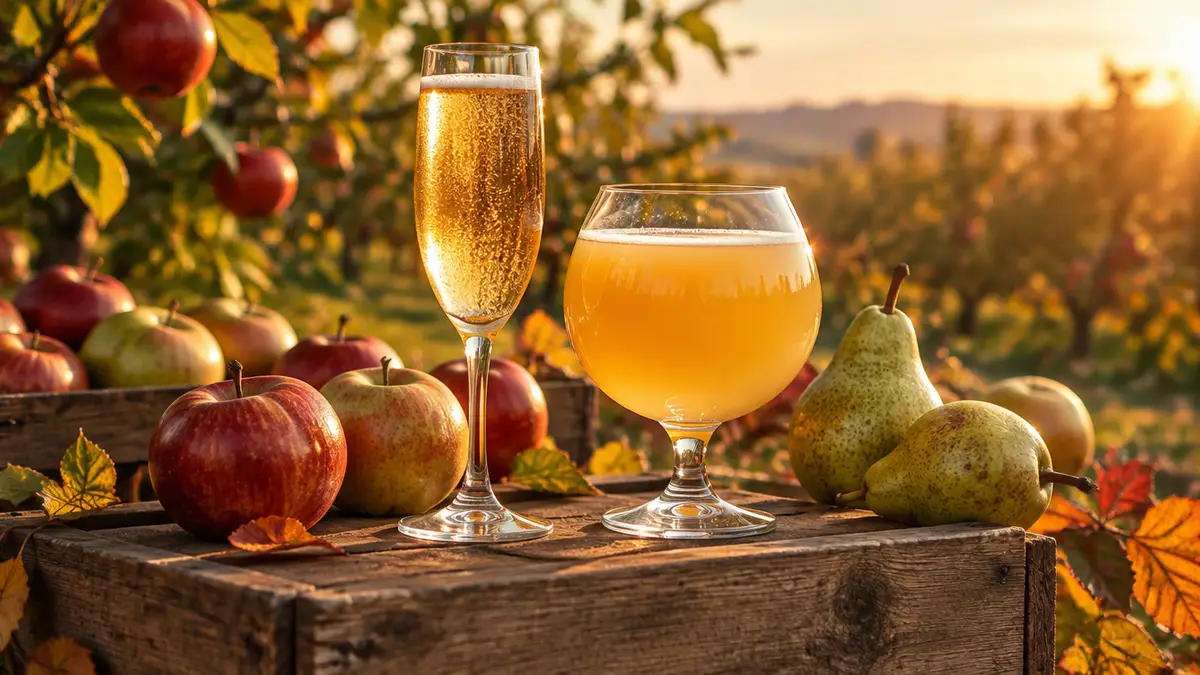
Cider
A guide to cider and perry: how fermented apple and pear drinks are made, dry vs sweet styles, English, French, Spanish and American traditions, ice cider and food pairings.
Read guide →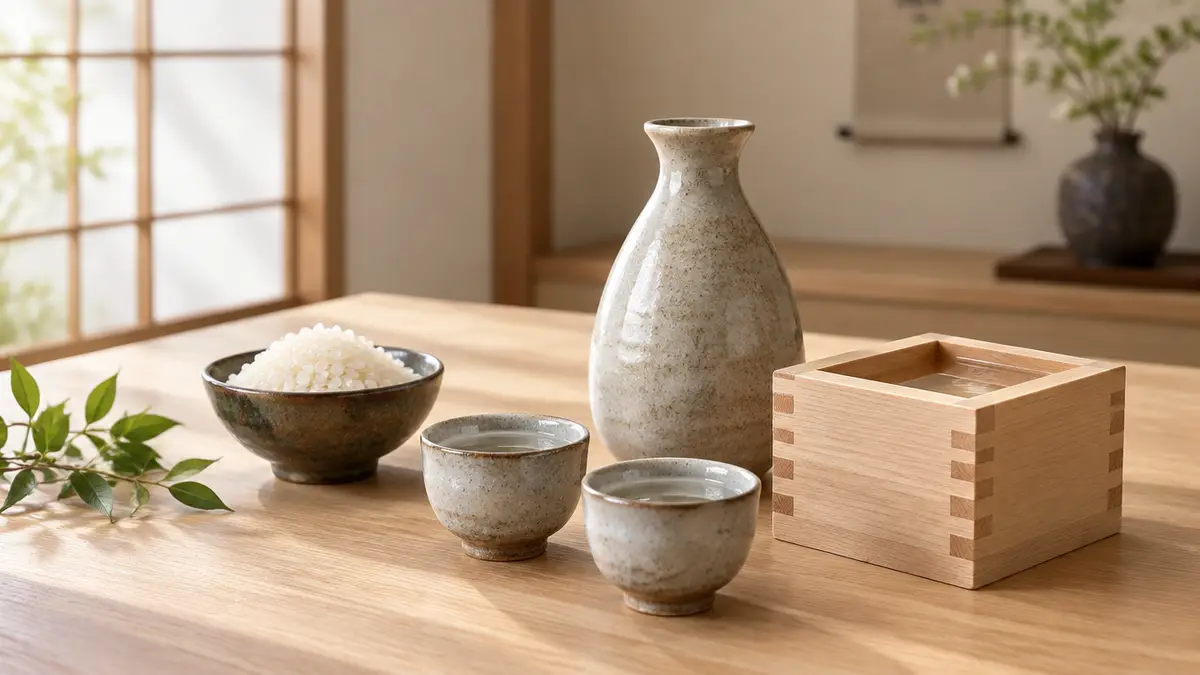
Sake
What sake is and how it is brewed from rice, koji and water, the main grades like junmai, ginjo and daiginjo, how to serve sake warm or chilled, and which sake to try first.
Read guide →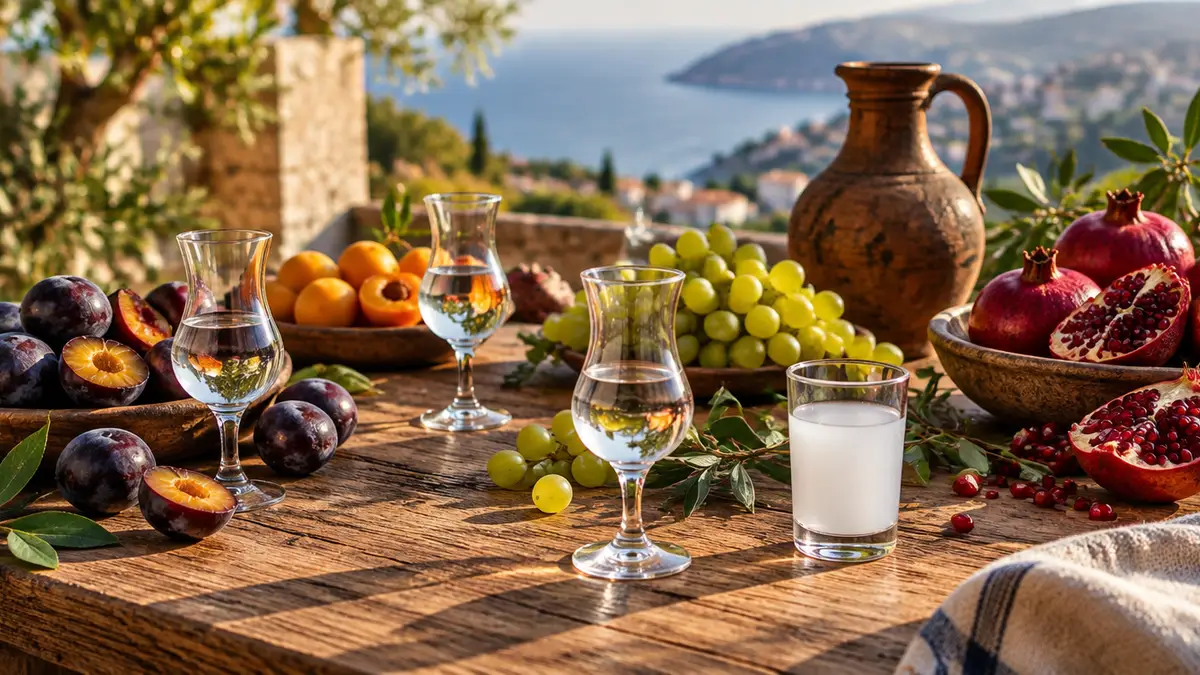
Regional drinks
Discover traditional drinks from around the world: Balkan rakia, Georgian chacha, arak and ouzo, Italian grappa, Scandinavian akvavit, Chinese baijiu, Korean soju, pisco, cachaça and more.
Read guide →Fermented vs distilled — the one idea that explains everything
All alcohol starts with fermentation: yeast eats sugar and produces alcohol. Grapes become wine, grain becomes beer, apples become cider and rice becomes sake. These drinks usually stay below about 15% ABV.
Distillation heats a fermented liquid and collects the alcohol vapour, concentrating it. Distil wine and you get brandy; distil a beer-like wash and you get whisky; distil fermented sugar cane and you get rum. Spirits are usually 35–50% ABV. Read the full explanation in our alcohol basics guide.
Frequently asked questions
What are the main types of alcohol?
The main groups are fermented drinks (wine, beer, cider, sake), distilled spirits (whisky, brandy, rum, tequila, gin, vodka) and liqueurs (spirits sweetened and flavoured with fruit, herbs, cream or coffee).
Which type of alcohol is strongest?
Distilled spirits are the strongest, typically 40% ABV, with some cask-strength whiskies and overproof rums above 60%. A standard serving of spirits is smaller for exactly this reason.
Is whisky the same as whiskey?
Yes — it is the same drink. Scotland, Canada and Japan usually spell it "whisky"; Ireland and the USA usually use "whiskey".