Common Beginner Mistakes with Wine, Beer and Spirits
Most disappointing drinks are not bad drinks — they were just served the wrong way. Here are the mistakes we see most often, and how to fix each one in seconds.
1. Serving everything at the wrong temperature
This is the single most common mistake. Too cold, and aroma and flavour are muted; too warm, and alcohol dominates.
| Drink | Common mistake | Better |
|---|---|---|
| Full-bodied red wine | Warm room temperature (22–25 °C) | 16–18 °C / 61–64 °F — 15 minutes in the fridge |
| Light red (Pinot Noir, Beaujolais) | Room temperature | 12–14 °C / 54–57 °F |
| White wine and rosé | Straight from a very cold fridge | 7–12 °C / 45–54 °F — out of the fridge 10–15 minutes |
| Sparkling wine | Warm or barely cool | 6–8 °C / 43–46 °F |
| Craft ales, stouts | Ice-cold | 8–13 °C / 46–55 °F |
| Fine whisky, cognac | Chilled or frozen | Room temperature, cool not warm |
Full details in our serving temperature guide.
2. Using the wrong glass — or filling it too full
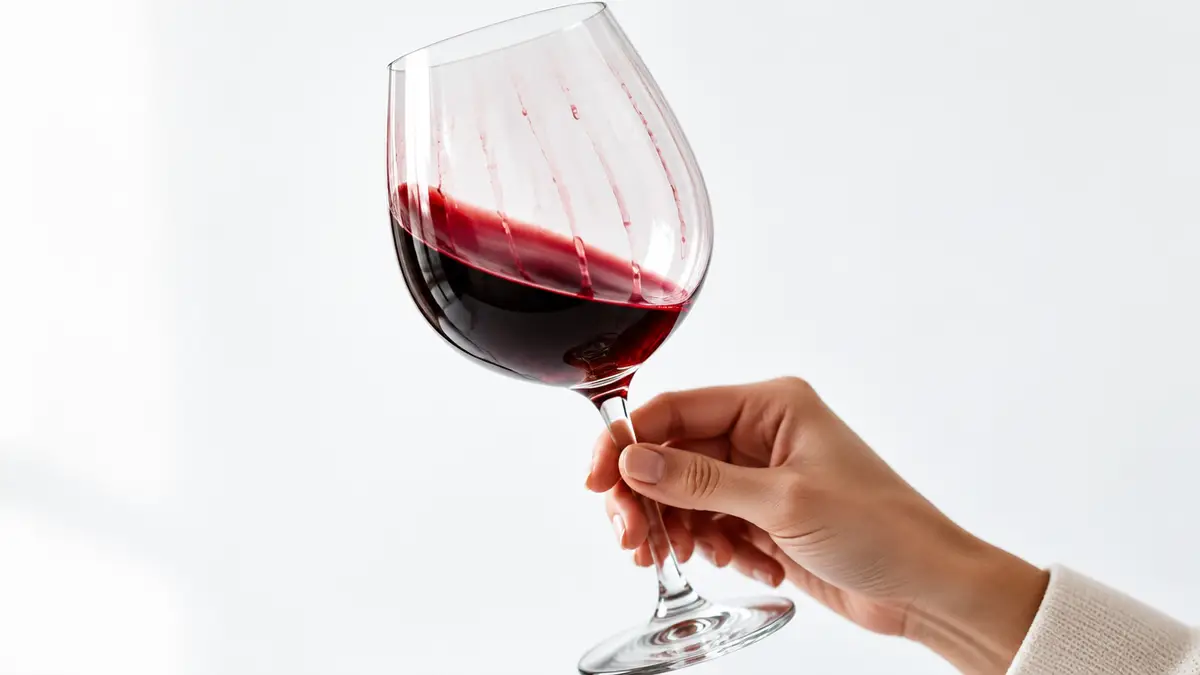
You don't need twenty types of glass, but shape matters. A glass that narrows at the top traps aroma; a thick tumbler or plastic cup lets it escape. Fill wine glasses only to the widest point (about a third full) so there is room to swirl. See the glassware guide.
3. Adding ice to wine (or bad ice to spirits)
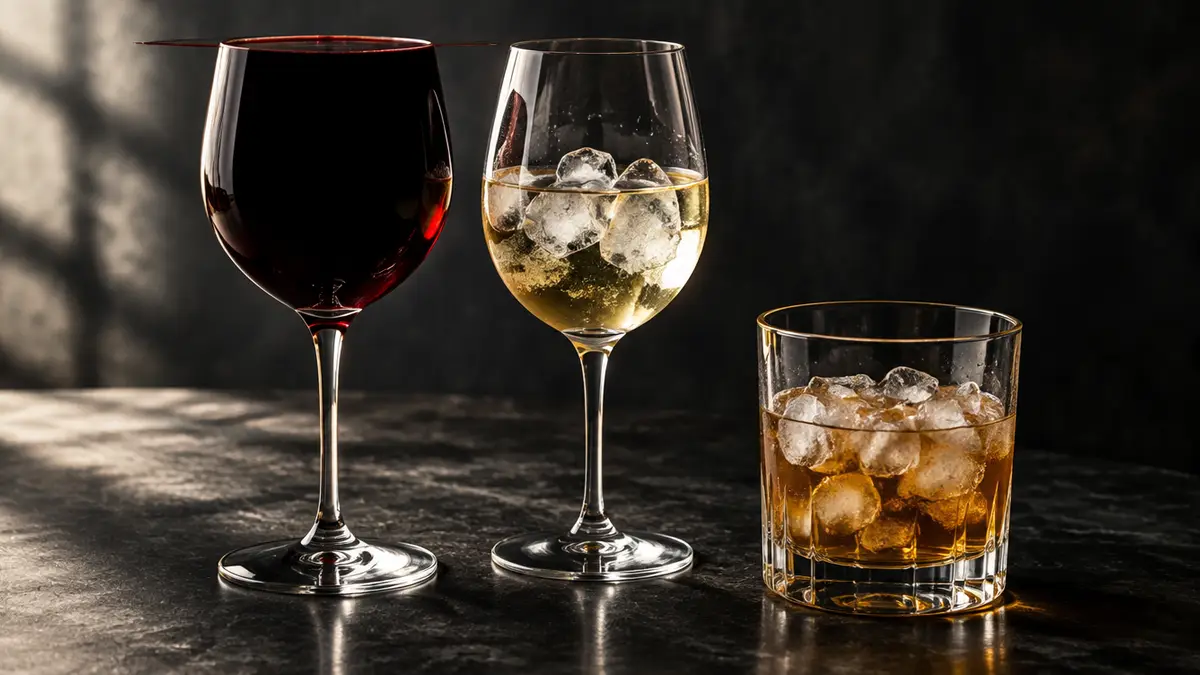
Ice waters down wine as it melts. If a white is too warm, use a wine bucket with ice and water for 15–20 minutes instead. For spirits and cocktails, the problem is usually too little ice: a few cubes melt fast and dilute your drink. Fill the glass, or use one large cube for sipping. Ice from the freezer should also be fresh — old ice absorbs freezer smells.
4. Judging a drink by its price
Price reflects production costs, taxes, brand marketing, rarity and demand — not how much you will enjoy it. Many excellent wines cost under $20, and some of the best-value whiskies are young, well-made expressions. Blind tastings regularly show that people cannot tell expensive from affordable bottles. Trust your own palate and our buying guides.
5. Starting with the "hardest" styles
A peated Islay whisky, a tannic young Barolo, a triple IPA or a bitter amaro can put newcomers off an entire category. Start with approachable styles and work up. Our list of what to try first will help.
6. Mixing lots of different drinks
The old saying "beer before liquor, never been sicker" is not quite right: research suggests the order of drinks makes little difference to hangovers. What matters is how much alcohol you drink in total and how fast. Switching between drink types does, however, make it much harder to keep track of how much you've had — a common cause of drinking more than intended.
A glass of strong wine, a double IPA or a Long Island Iced Tea can each contain two or more standard drinks. Learn the numbers in our standard drinks guide.
7. Drinking on an empty stomach and without water
Food slows the absorption of alcohol into the bloodstream, so you feel its effects less suddenly. Alternating each alcoholic drink with a glass of water keeps you hydrated and naturally slows your pace.
8. Shooting instead of sipping
Drinking a spirit in one gulp means you taste almost nothing — and absorb a full standard drink in seconds. Good spirits are meant to be sipped over 20–30 minutes. If a spirit is too harsh to sip, try it with a few drops of water or in a highball.
9. Keeping opened bottles the wrong way
- Open wine left on the counter for a week — re-cork it and keep it in the fridge; most wines last 3–5 days.
- Vermouth kept in the cupboard — it is a wine and goes stale in weeks. Refrigerate it.
- Spirits stored in a hot, sunny spot — heat and light slowly damage flavour.
- Wine bottles stored upright for years — corks can dry out. Store corked wine on its side.
More in how to store alcohol.
10. Pouring by eye
A home "shot" poured by eye is often double a bar measure. Use a jigger for cocktails and spirits and a standard 5 oz (150 ml) pour for wine — your drinks will taste better balanced and you'll know exactly how much you're having.
11. Believing hangover myths
- Myth: coffee or a cold shower sobers you up. Fact: only time reduces blood alcohol.
- Myth: "hair of the dog" cures a hangover. Fact: it only delays it and adds more alcohol.
- Myth: clear drinks never cause hangovers. Fact: darker drinks contain more congeners, which may worsen hangovers, but the amount of alcohol matters most.
Frequently asked questions
Is it wrong to put ice in wine?
It is not "wrong" — it is your drink — but ice dilutes the wine as it melts. A better way to chill a warm bottle is an ice bucket with ice and water for 15–20 minutes. For casual summer drinking, a few ice cubes in a rosé or a spritz is perfectly fine.
Does mixing drinks make you more drunk?
Not by itself. Intoxication depends on how much alcohol you drink and how fast. Mixing drink types simply makes it harder to keep count.