Never Drink and Drive: Alcohol, Driving and Medication Risks
Alcohol is involved in about a third of all traffic deaths in the USA. And many everyday medicines — from painkillers to allergy pills — can react dangerously with alcohol. These are the facts everyone should know.
Why you should never drink and drive
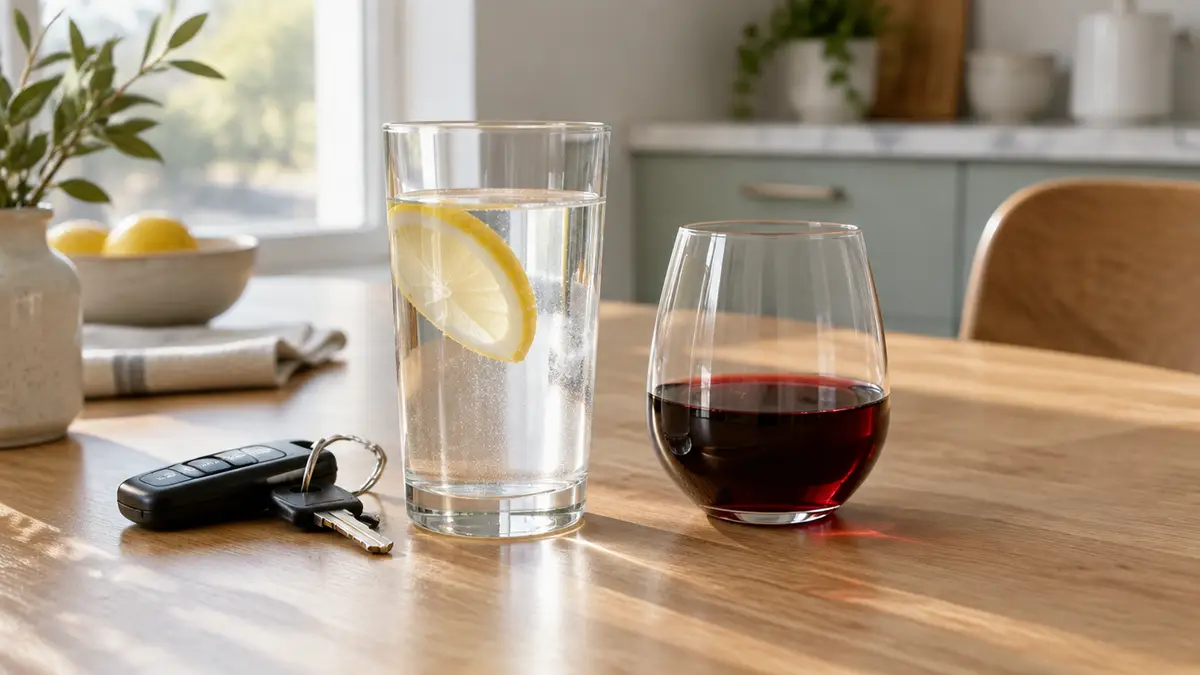
Alcohol slows reaction time, narrows your field of attention, impairs judgement of speed and distance and reduces coordination — while making you feel more confident. According to the U.S. National Highway Traffic Safety Administration (NHTSA), around 12,000–13,000 people are killed every year in the USA in crashes involving an alcohol-impaired driver — roughly one person every 40–45 minutes.
Impairment starts with the first drink. At a BAC of 0.05% — below the US legal limit — crash risk is already significantly higher, and at 0.08% it is several times higher than for a sober driver.
Legal drink-driving limits
| Place | Limit for most adult drivers | Notes |
|---|---|---|
| USA | 0.08% BAC | Utah: 0.05%. Commercial drivers: 0.04%. Drivers under 21: zero tolerance (0.00–0.02%) in every state |
| England, Wales, Northern Ireland | 0.08% (80 mg per 100 ml blood) | |
| Scotland | 0.05% | |
| Most EU countries | 0.05% | Lower limits (often 0.02% or zero) for new and professional drivers |
| Zero-tolerance countries | 0.00% or near-zero | Including the Czech Republic, Hungary, Romania, Slovakia and several others |
| Canada | 0.08% (criminal); provinces act from 0.05% | |
| Australia | 0.05% | Zero for learner, provisional and many professional drivers |
Laws change; check the current rules where you drive. Penalties can include heavy fines, licence suspension, ignition interlock devices, jail and a criminal record — and the lasting consequences of harming someone.
"Morning after" driving
If you drank heavily in the evening, you may still be over the limit the next morning. The liver clears roughly one standard drink per hour on average; after eight or ten drinks, alcohol can remain in your blood well into the next day. Sleep, coffee and showers don't change this.
It's not only cars
- Boats: boating under the influence is illegal and a leading factor in boating deaths.
- Bicycles and e-scooters: impaired cycling and scooter riding cause serious injuries and are illegal in many places.
- Swimming: alcohol is involved in a large share of adult drownings.
- Machinery, ladders, power tools and firearms: never combine with alcohol.
Plan your ride before you drink
- Choose a designated driver who drinks no alcohol at all.
- Use a taxi, rideshare or public transport — save the numbers in your phone before you go out.
- Stay over if you are hosting or visiting.
- Take the keys from friends who have been drinking. Offer them a ride or a couch.
- If you see a driver you believe is impaired, call 911 (USA) or local police when safe.
Alcohol and medications
Alcohol interacts with hundreds of prescription and over-the-counter medicines. Interactions can make medicines less effective, increase side effects or be life-threatening. Always read the patient leaflet and ask your pharmacist.
| Medicine type | Examples | Risk with alcohol |
|---|---|---|
| Opioid painkillers | Oxycodone, codeine, morphine, tramadol | Dangerous: slowed or stopped breathing, overdose, death |
| Benzodiazepines and sleeping pills | Diazepam, alprazolam, lorazepam, zolpidem | Dangerous: extreme drowsiness, breathing problems, memory loss, overdose |
| Paracetamol / acetaminophen | Tylenol, many cold remedies | Liver damage, especially with regular heavy drinking |
| Anti-inflammatory painkillers (NSAIDs) | Ibuprofen, aspirin, naproxen | Stomach bleeding and ulcers |
| Antihistamines and allergy/cold medicines | Diphenhydramine, cetirizine, many night-time cold remedies | Drowsiness, dizziness, impaired driving |
| Antidepressants and antipsychotics | SSRIs, tricyclics, MAOIs, quetiapine | Increased drowsiness, worsening depression; MAOIs can react dangerously with some drinks |
| Certain antibiotics and antifungals | Metronidazole, tinidazole | Severe nausea, vomiting, flushing and racing heartbeat — avoid alcohol during treatment and for the period afterwards your pharmacist advises |
| Diabetes medicines | Insulin, sulfonylureas, metformin | Dangerously low blood sugar; rarely lactic acidosis |
| Blood thinners | Warfarin | Changed clotting and bleeding risk |
| Blood pressure and heart medicines | Many types | Dizziness, fainting, irregular heartbeat |
| ADHD stimulants | Methylphenidate, amphetamines | Can mask how intoxicated you are and strain the heart |
| Epilepsy medicines | Many types | Increased drowsiness; alcohol can trigger seizures |
Mixing alcohol with cannabis, cocaine, MDMA or other drugs greatly increases the risks of impairment, heart problems, overdose and poor decisions. Combining alcohol with opioids or sedatives is a leading cause of overdose deaths.
Not sure? Ask your pharmacist: "Is it safe to drink alcohol with this medicine?" Pharmacists are happy to answer — it is a very common question.
If you have questions about alcohol and your health, medications or a medical condition, talk to a doctor or pharmacist. In an emergency call 911 (USA), 999 (UK), 112 (EU) or your local emergency number.
Frequently asked questions
How long after drinking can I drive?
The safest answer is: not on the same day you drink. On average the body clears about one standard drink per hour, but this varies widely, and impairment starts with the first drink. After heavy drinking you can still be over the limit the next morning.
Can I drink alcohol while taking antibiotics?
It depends on the antibiotic. With metronidazole and tinidazole, alcohol can cause a severe reaction and must be avoided. With many others alcohol may not interact directly but can slow recovery. Ask your pharmacist.
Is it safe to take ibuprofen or paracetamol after drinking?
Occasional standard doses are generally considered low-risk for healthy adults, but combining alcohol with paracetamol (acetaminophen) increases liver risk, and with ibuprofen increases stomach-bleeding risk, especially with regular drinking. Ask a pharmacist for advice.