Cocktail Techniques: Shake, Stir, Build, Muddle and Strain
Technique is what turns a list of ingredients into a balanced drink. The good news: there are only a handful of methods, and each takes minutes to learn.
Why technique matters
Every mixing method does three things: chills the drink, dilutes it with melting ice (usually 20–30% water — an essential ingredient), and gives it the right texture. Shaking makes drinks frothy and bright; stirring keeps them clear and silky; building keeps bubbles lively.
Shaking
When: any drink with citrus juice, fruit, cream, egg white or thick syrups.
- Add ingredients to the smaller half of the shaker (cheapest ingredients first, spirit last — in case of mistakes).
- Fill the shaker two-thirds with fresh ice.
- Seal firmly and shake hard over your shoulder for 10–15 seconds, until the tin is frosty.
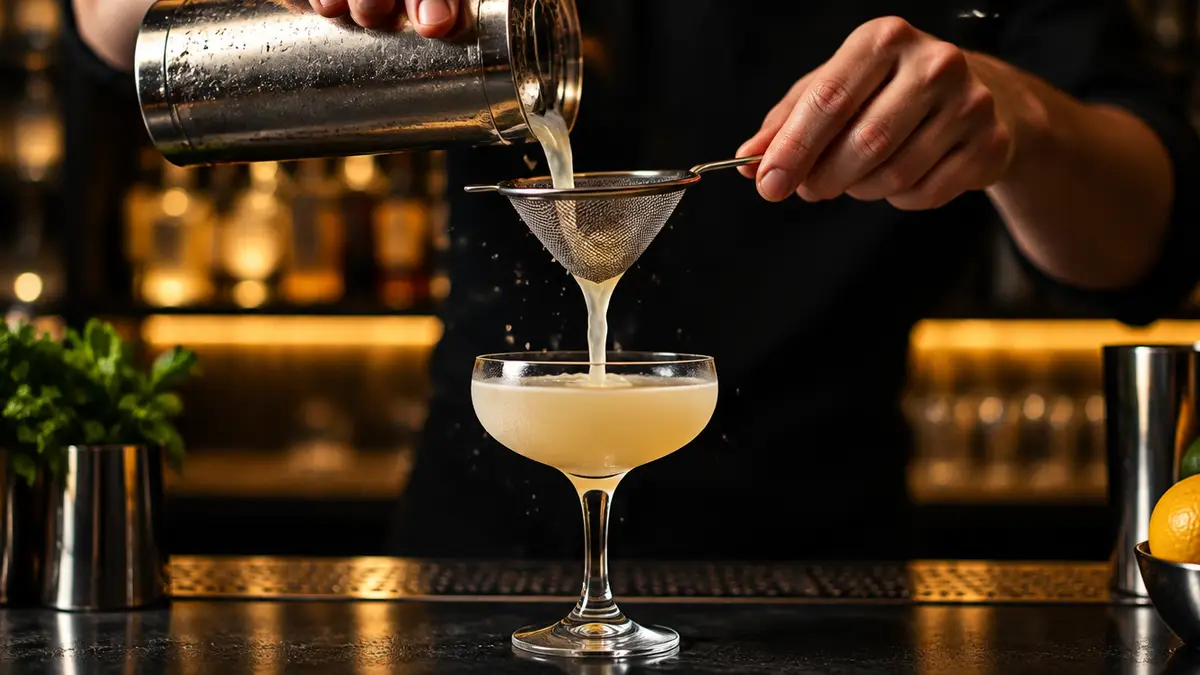
- Strain into a chilled glass (up) or over fresh ice (never the shaking ice).
Special shakes
- Dry shake: shake without ice first to emulsify egg white or aquafaba, then add ice and shake again.
- Whip shake: a short shake with a few pieces of crushed ice for drinks served over crushed ice.
Stirring
When: drinks made only of spirits, liqueurs, vermouth and bitters — the Martini, Manhattan, Negroni and Old Fashioned.
- Add ingredients to a mixing glass.
- Fill three-quarters with ice.
- Hold the bar spoon between your fingers and move it smoothly around the inside edge of the glass, so the ice spins as a unit.
- Stir 20–40 seconds until very cold. Taste — it should be smooth, not harsh.
- Strain with a Hawthorne or julep strainer.
Shaking a spirits-only drink adds tiny air bubbles and ice shards, making it cloudy and slightly watery. It is not "wrong" — just a different texture.
Building
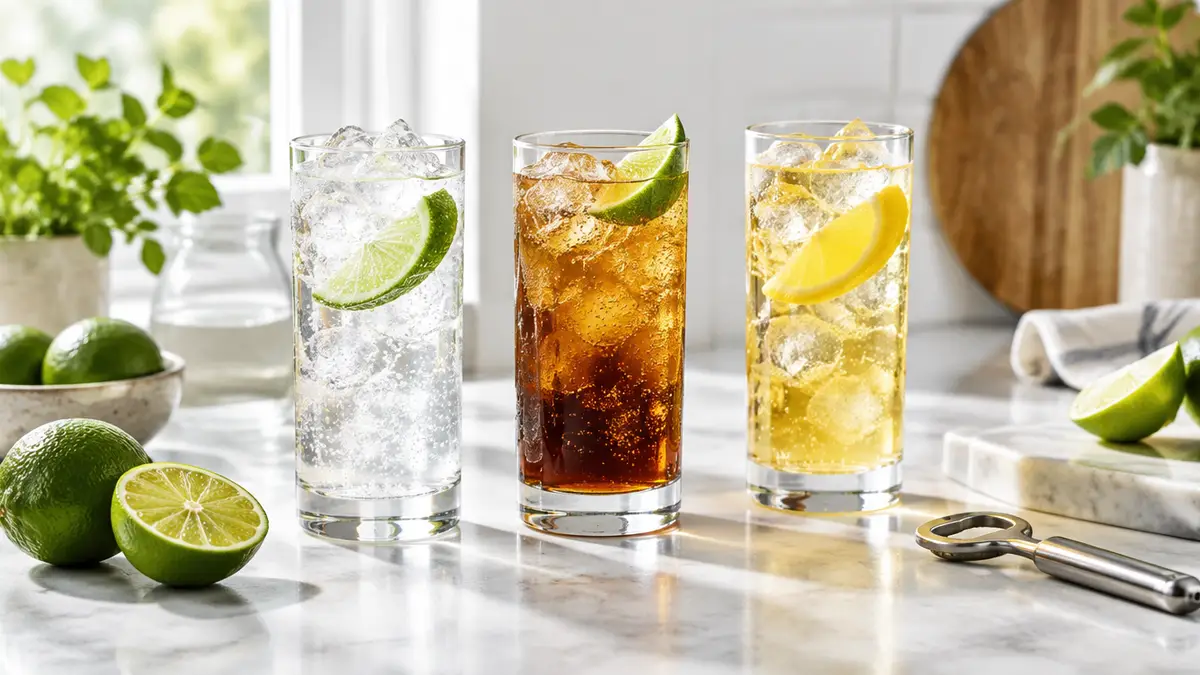
When: highballs and simple drinks made directly in the glass (G&T, Cuba Libre, Aperol Spritz, Old Fashioned built in the glass).
- Fill the glass with ice.
- Pour the spirit, then the mixer.
- Stir once or twice gently to combine without losing bubbles.
Muddling
When: releasing flavour from mint, fruit, cucumber or sugar cubes (Mojito, Caipirinha, Old Fashioned with sugar cube).
- Press gently and twist — don't pulverise. Over-muddled mint turns bitter and grassy.
- Muddle citrus wedges more firmly to release oils from the peel.
- Muddle in the bottom of a sturdy glass or shaker, never in thin glassware.
Straining
- Hawthorne strainer: the spring-edged strainer that sits on a shaker tin.
- Julep strainer: a perforated spoon-shaped strainer for mixing glasses.
- Double straining: pour through a Hawthorne and a fine mesh strainer together to remove ice chips and pulp — for silky drinks served up.
Layering and floating
Pour slowly over the back of a bar spoon held just above the surface. Heavier (sweeter) liquids sink; lighter (more alcoholic) liquids float. Used for the Dark ’n’ Stormy rum float and the cream on an Irish Coffee.
Garnishing
- Expressing a peel: hold a strip of citrus peel skin-side down over the drink and squeeze to spray aromatic oils on the surface. Rub the rim, then drop in or discard.
- Rimming a glass: run a lime wedge around the outside rim only, then roll in salt or sugar — so it doesn't fall into the drink.
- Herb garnish: gently slap mint between your palms to release aroma before placing it in the drink.
Balance: the final technique
Always taste. If a drink is too sour, add a little syrup; too sweet, a little citrus; too strong, stir or shake a few seconds longer. Great bartending is adjusting to your ingredients — lemons, limes and palates vary.
Ready to practise? Start with a Daiquiri (shaken) and a Manhattan (stirred) side by side.
Frequently asked questions
How long should you shake a cocktail?
About 10–15 seconds of hard shaking with plenty of ice, until the outside of the shaker feels painfully cold and frosty.
How long should you stir a cocktail?
Usually 20–40 seconds, depending on the size of the ice. Taste to check: it should be cold and smooth, without an alcoholic burn.