How to Spot Fake Alcohol and Counterfeit Bottles
Counterfeit alcohol ranges from cheap spirits refilled into premium bottles to dangerous illicit drinks containing methanol. Knowing the warning signs protects both your money and your health.
Illicit spirits are sometimes made with industrial or methyl alcohol (methanol). Even small amounts can cause blindness, organ failure and death. Symptoms can start 12–24 hours after drinking: severe headache, nausea, abdominal pain, confusion, blurred or "snowstorm" vision, and difficulty breathing. If you suspect methanol poisoning, seek emergency medical help immediately — tell doctors what was drunk.
Two kinds of fake
- Counterfeit premium bottles: genuine-looking bottles of famous brands refilled with cheaper spirit or wine. The main harm is financial — but they are sometimes also illicit and unsafe.
- Illicit or bootleg alcohol: spirits made without regulation, often sold very cheaply, in unlabelled bottles, or served in bars in tourist areas. This is where the serious health danger lies.
Check the price and the source
- Too good to be true? A famous whisky or Champagne at half the normal price is a major red flag.
- Buy from licensed sellers: established shops, supermarkets, reputable online retailers and auction houses with authentication processes.
- Be wary of: street sellers, unlicensed online marketplaces, social-media sellers and very cheap "duty-free" offers outside real airports.
- Rare and old bottles are the most commonly faked — ask for provenance (where the bottle has been stored and who owned it).
Inspect the label
- Spelling mistakes, poor grammar, blurry or pixelated printing.
- Label that is crooked, bubbled, peeling or glued unevenly.
- Colours or fonts that differ from the same product you know or from the brand website.
- Missing information: ABV, volume, producer, importer, batch or lot number, health warnings.
- Duty stamps or tax labels missing where required, or looking photocopied.
Inspect the bottle, cap and seal
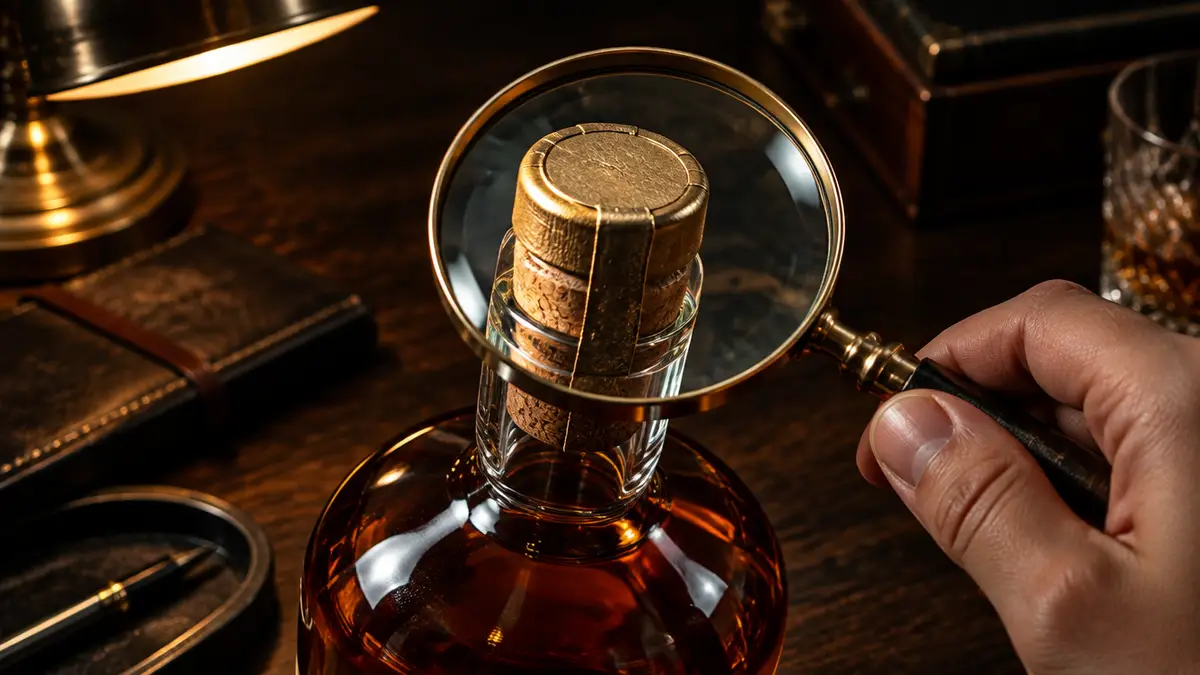
- Seal: the cap should be tight and unbroken; the capsule shouldn't spin loosely or show glue marks.
- Bottle: genuine brands use consistent bottle shapes and embossing; check for rough seams, a different base or missing embossed logos.
- Fill level: all bottles of the same product on the shelf should be filled to the same level.
- Security features: many brands use holograms, QR codes, NFC tags or special closures — check them against the brand's official site.
Inspect the liquid
- Sediment, cloudiness or floating particles in clear spirits.
- Colour that differs between identical bottles.
- An unusual chemical, nail-varnish or solvent smell once opened.
- Unusually harsh, burning taste — stop drinking immediately.
You cannot reliably detect methanol by smell or taste. If you have any doubt about a drink's origin, don't drink it.
Fake wine
Wine fraud mainly affects expensive and collectable bottles: famous Bordeaux, Burgundy and old vintages. Warning signs include labels that look too new for their age, inconsistent corks (older bottles should have printed, aged corks), and inconsistent vintage details. Buy fine wine from specialist merchants with a documented provenance.
Staying safe when travelling
- Prefer sealed bottles and cans and drinks from reputable bars and hotels.
- Be very cautious with cheap cocktails and "buckets" in party destinations, and with unlabelled homemade spirits.
- Check your government's travel advice — several countries have issued warnings about methanol poisoning in specific destinations.
- Never leave a drink unattended, and don't accept drinks from strangers.
What to do if you suspect a fake
- Don't drink it, and don't serve it to others.
- Keep the bottle, receipt and packaging.
- Contact the brand owner — most have a counterfeit-reporting line.
- Report it to the retailer and to local authorities (in the USA, the Alcohol and Tobacco Tax and Trade Bureau (TTB) or state alcohol control board; in the UK, Trading Standards).
- If anyone feels unwell after drinking, seek medical help immediately. In the USA call Poison Control on 1-800-222-1222, or 911 in an emergency.
Frequently asked questions
How can I tell if alcohol is fake?
Look for a price that is too low, spelling mistakes or poor printing on the label, a broken or loose seal, inconsistent fill levels, and sediment or cloudiness in clear spirits. Buy from licensed sellers.
What are the symptoms of methanol poisoning?
Symptoms often appear 12–24 hours after drinking and include headache, dizziness, nausea, vomiting, abdominal pain, blurred vision or blindness, confusion and difficulty breathing. It is a medical emergency.